

How Reflex Patterns Interact With Posture, Balance & Vision Processing
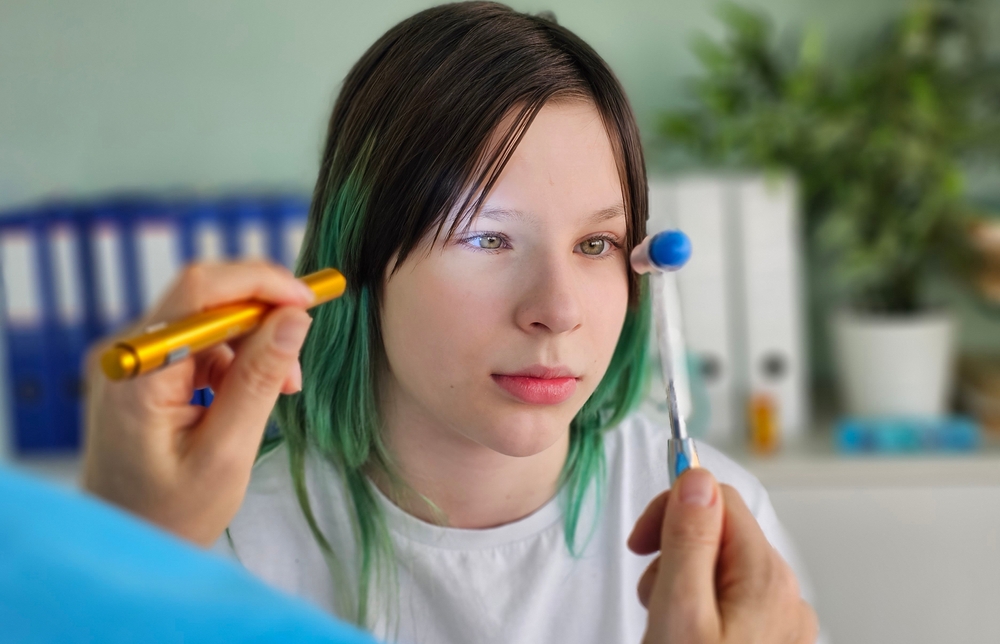
Our visual system does more than create clear images. It works together with information from the inner ear and the body’s sense of position to help us maintain posture, coordinate movement, and respond to our environment. At Neuro Eye Team in Fort Worth, TX, we evaluate how these systems interact through comprehensive Neuro Eye Evaluations that look at the connection between vision, balance, and sensory processing.
Understanding Reflex Patterns And Sensory Development
Reflex patterns are automatic movement responses that develop early in life and support important stages of motor development. These responses are part of how the nervous system learns to coordinate movement, posture, and reactions to different sensory inputs.
As children grow, many early reflexes naturally become integrated as more advanced movement patterns develop. However, reflex findings can vary from person to person, and identifying a reflex pattern is only one part of understanding an individual’s overall visual and sensory function.
During a Neuro Eye Evaluation, we assess how the visual system interacts with vestibular and somatosensory systems. This broader approach helps us understand how different areas of sensory processing may influence daily activities such as reading, movement, coordination, and visual comfort.
The Connection Between Reflexes, Posture, And Balance
Posture and balance depend on constant communication between the eyes, inner ear, and body. Vision provides information about surroundings and spatial awareness, while the vestibular system helps detect head movement and body orientation. The somatosensory system provides feedback about position, pressure, and movement.
When evaluating these systems, we consider factors such as:
· Visual skills involved in tracking, focusing, and coordinating both eyes together
· Balance responses and body awareness during movement
· Postural control and how the body responds to sensory information
· Reflex patterns as one component of a larger functional assessment
· Individual goals related to comfort, coordination, and visual performance
A finding related to a reflex pattern does not automatically explain every symptom a person experiences. Balance challenges, posture concerns, learning difficulties, or visual discomfort can have many possible contributing factors. A complete evaluation helps determine what areas may need attention and whether additional care or collaboration with other providers may be appropriate.
How Vision Processing Fits Into The Evaluation Process
Vision processing involves how the brain receives, interprets, and responds to visual information. Clear eyesight is important, but effective visual function also includes skills such as eye coordination, tracking, focusing, and processing information efficiently.
At Neuro Eye Team, our Neuro Eye Evaluations include a Primitive Reflex Evaluation that examines patterns such as Moro, ATNR, STNR, TLR, Landau, and whole body coordination. Adult Neuro Eye Evaluations also include platform posturography to assess balance and postural responses.
These assessments provide information that helps guide individualized care. When vision-related challenges are identified, we develop treatment plans based on the specific diagnosis and functional goals of each patient.
Individualized Care For Functional Vision Goals
Vision therapy may be recommended when appropriate as part of a personalized plan. The focus is on addressing identified visual skills and supporting each patient’s specific needs rather than applying the same approach for everyone.
Research surrounding reflex integration approaches continues to develop, and reflex findings should be interpreted carefully within a comprehensive evaluation. Our goal is to provide accurate assessments, explain findings clearly, and work with patients and families to determine appropriate next steps.
For patients seeking answers about the relationship between reflex patterns, posture, balance, and vision processing in Fort Worth, a Neuro Eye Evaluation can provide a detailed look at how these systems work together.
Take the next step toward better visual function and coordination! Schedule your Neuro Eye Evaluation with Neuro Eye Team in Fort Worth, TX, by calling (817) 928-3337 today.
All Eye
Care Services
Keep
In Touch
MAP
Contact Info
Office Hours
Monday 9:00am - 5:00pm
Tuesday 9:00am - 5:00pm
Wednesday 9:00am - 5:00pm
Thursday 9:00am - 5:00pm
Friday 9:00am - 5:00pm
Saturday Closed
Sunday Closed
Powered by: 